August’s heat and inconsistent moisture can leave Midwest landscapes looking tired and its gardeners feeling burned out. But that doesn’t mean giving up on outdoor living experiences. There are many weeks left in the warm-weather season for clients to enjoy time outdoors at home with family and friends, and for plant roots to become established before cold weather sets in.
Pairing heat-loving plants with smart companion varieties helps contractors build longevity and sustainability into landscape projects. Pairing displays at retail helps garden center staff visually show customers how to fix up tired yards with companion plants.
Loma Vista Nursery grows solutions for August gardens, promising color, texture and viability in healthy plants grown for Midwest zones. Here are a few we recommend.
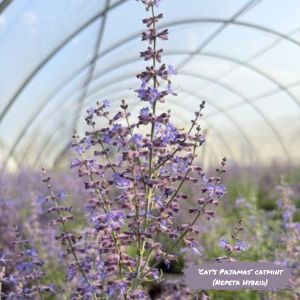
‘Cat’s Pajamas’ Catmint (Nepeta hybrid)
‘Cat’s Pajamas’ Catmint
‘Cat’s Pajamas’ Catmint is a front-of-the-border workhorse with persistent indigo blooms on a compact frame. Deer, rabbits and pests naturally resist the plant’s aromatic foliage.
At a mature 12 to 14 inches tall and wide, this dwarf perennial blooms two to three weeks earlier than classic catmints, with color that runs top to bottom along its stems. A quick shear in late July triggers rebloom well into October.
‘Cat’s Pajamas’ thrives in full sun and dry, well-drained soils. Heat and drought tolerant, it provides a reliable, late-season buffet for hungry bees, butterflies and hummingbirds.
Sweep it along walkways or plant it in front of ‘Goldsturm’ Black-Eyed Susan (Rudbeckia fulgida var. sullivantii ‘Goldsturm’) for a high-contrast, purple-and-gold display. Mix it with Russian sage (Salvia yangii) or Prairie Dropseed (Sporobolus heterolepis) for interesting color and textural contrast.
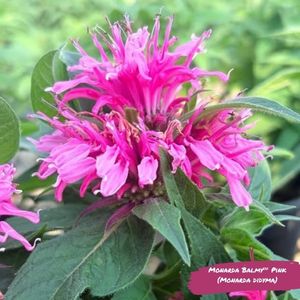
Monarda ‘Balmy™ Pink’ (Monarda didyma)
Monarda ‘Balmy Pink’
‘Balmy Pink’ Bee Balm is also a good choice for clients looking to attract pollinators to their late-season landscape. The compact perennial has an upright, mounded form that grows 10 to 12 inches tall and wide. Its habit is dense and naturally bushy, with mildew resistant foliage.
Vibrant, neon-pink blooms open in late spring and hold steady through July before tapering off once the dog days of summer wane. The dwarf selection forms tight, tidy clumps with sturdy stems that don’t need staking.
‘Balmy Pink’ Bee Balm adds bright, eye-candy color to urban beds, patio containers and border edges, especially when planted alongside vibrant dwarf conifers like Emerald Green Arborvitae (Thuja occidentalis ‘Smaragd’) or blue-hued native grasses such as Little Bluestem (Schizachyrium scoparium).
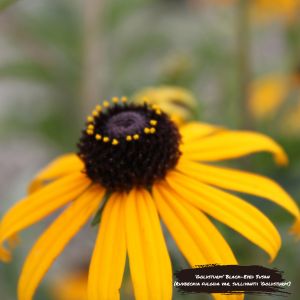
‘Goldsturm’ Black-Eyed Susan (Rudbeckia fulgida)
‘Goldsturm’ Black-Eyed Susan
Speaking of black-eyed Susans, this selection is a solid plant choice for high visibility and rugged performance through autumn. Drought-tolerant and adaptable to heavy clay soils, this long-lived perennial spreads slowly from shallow rhizomes. Its dense, fibrous root system anchors the plant below ground while coarse foliage grows tightly above ground, creating ideal conditions for weed suppression.
In late summer, ‘Goldsturm’ Black-Eyed Susan produces 2-foot sturdy stems that erupt with large, golden-yellow flowers. In the centers, dark brown cones provide winter seeds for songbirds.
Plant ‘Goldsturm’ Black-Eyed Susan in groupings in perennial borders, as specimen plants in pollinator gardens and as en mass prairie plantings. For an eye-catching, low maintenance installation, anchor it behind low-growing varieties such as ‘Cat’s Pajamas’ Catmint or interplant it with ‘Karl Foerster’ Feather Reed Grass (Calamagrostis) and ‘PowWow® Wild Berry’ coneflower (Echinacea purpurea).

Carnival™ Watermelon Coral Bells (Heuchera ‘Carnival Watermelon’)
Carnival Watermelon Coral Bells
Shady spaces require plants with strong color, which is the sweet spot for Carnival Watermelon Coral Bells. This low-growing heuchera maintains its rich color from early spring through frost. Vivid, peach-pink foliage is lightly dusted with silver. Undersides are warm bronze.
Topping out at 10 to 12 inches tall and about 14 inches wide at maturity, this mounded perennial forms a tight, neat clump. Creamy-white flower spikes emerge in early summer.
Carnival Watermelon Bells stand up to heat and humidity. With regular moisture, the plant thrives in rich, well-drained soil.
Plant heuchera as filler in shaded patio containers, as color accents along woodland paths and in mixed perennial beds that are protected from midday sun. Create striking foliage contrast by planting Carnival Watermelon Coral Bells with Patriot Hosta (Hosta x ‘Patriot’) or Chocolate Chip Bugleweed (Ajuga reptans ‘Chocolate Chip’).
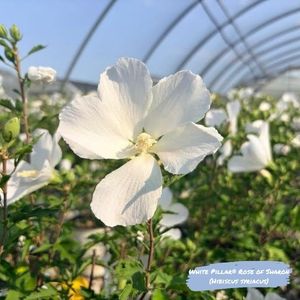
White Pillar® Rose of Sharon (Hibiscus syriacus)
White Pillar Rose of Sharon
Whether camouflaging problem areas or adding height to the landscape, vertical solutions are always in season. White Pillar Rose of Sharon meets the need while providing continuous blooms on a tight column.
Growing 10 to 16 feet tall, the deciduous shrub has a narrow footprint of 2 to 3 feet. Rather than simply hiding a blank wall or utility pad, it provides a textural screen of reliable color from mid-summer through early autumn. Flowers are pure, double-white blooms with dark centers, providing late-season nectar for bees and butterflies. Textured foliage is dense, green and coarsely toothed.
White Pillar Rose of Sharon is heat and drought tolerant. It retains its tidy, pencil-thin form without heavy pruning or staking. The shrub thrives in full sun and well-drained soil across Midwest hardiness zones.
Year-after-year performance makes rose of Sharon an ideal living screen for tight suburban property lines, narrow urban side yards and accent entryways. Under the shrub, plant color in perennials like ‘Balmy Pink’ Bee Balm or Shenandoah switchgrass (Panicum virgatum ‘Shenandoah’).

Enduring™ Summer Red Crape Myrtle (Lagerstroemia)
Summer Red Crape Myrtle
Enduring™ Summer Red Crape Myrtle is aptly named for its extreme environmental tolerance and stunning bloom longevity. This heat-loving cultivar actually requires the “dog days” of summer to push its heaviest flowering.
The shrub’s thin petals resemble crepe paper. Blooms emerge in early summer as dense, crinkled, fire-engine red clusters and persist through the first autumn frost. Bright yellow stamens draw honeybees, bumblebees, butterflies and hummingbirds to rich nectar during the hottest months of the season, when other food sources are drying up.
Glossy, dark green foliage gives this dwarf shrub its rounded habit. Its manageable size is 4 to 5 feet tall and wide. Foliage resists powdery mildew and scorching even in intense heat and humidity. Leaves turn rich, burgundy red in October before dropping in November.
Plant summer red crape myrtle where it can show off in the landscape. The shrub thrives in full sun and well-drained soil across USDA Hardiness Zone 6. It delivers multi-season structure and performance for small residential yards, foundational beds and mixed borders alongside low-growing, cool-toned perennials such as ‘Cat’s Pajamas’ Catmint and May Night Salvia (Salvia x sylvestris ‘May Night’).
About Loma Vista Nursery—Midwest Wholesale Plant Grower
Celebrating 35 years in business in 2026, Loma Vista Nursery grows a variety of heal;thy perennial plants, shrubs and trees for garden centers, landscape contractors and wholesale distributors.
Explore our website to meet our sales representatives and to learn more about Loma Vista Nursery’s processes, plant varieties and business values. For help with orders or plant-related questions, please call (785) 229-7200 or send an email to sales@lomavistanursery.com. Our team of plant experts will be happy to answer questions and provide information about the reliable varieties we grow.
Connect with Us
Stay up to date with Loma Vista Nursery’s plant recommendations, species highlights, growing tips and more by following our blogs, news page and posts on social media.